
Storm Damage Restoration Garland TX
Flooding can turn your property upside down in a matter of hours. Our flood damage restoration team in Garland provides complete cleanup, structural drying, and restoration services - available around the clock when you need us most.
Complete Storm Damage Repair & Water Intrusion Cleanup
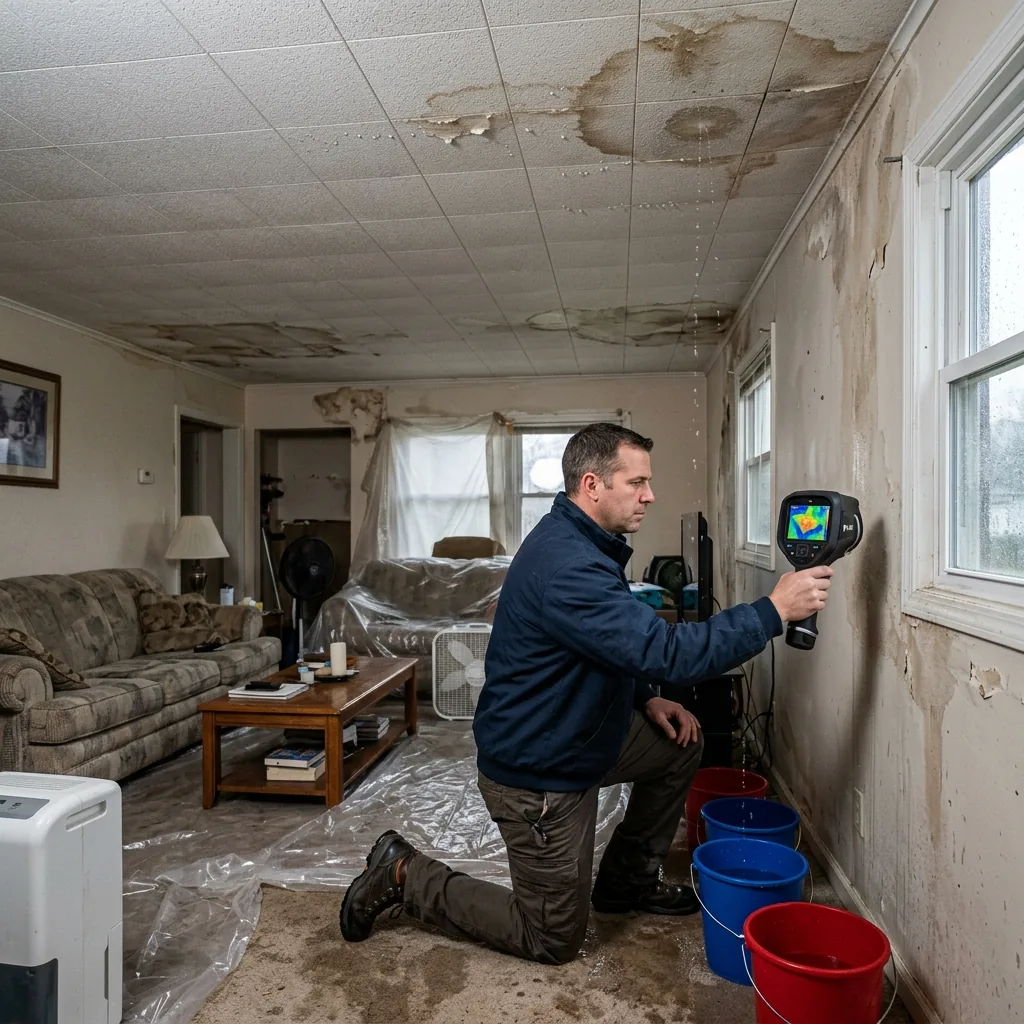
Garland sits in the heart of North Texas, where heavy spring thunderstorms, rapid creek rises near Duck Creek, and seasonal flash flooding along low-lying neighborhoods can send water rushing into homes and businesses without much warning. When floodwater enters your property, it brings more than just moisture it carries sediment, bacteria, and contaminants that create health hazards and accelerate structural damage.
Our flood damage restoration process begins with a thorough assessment of the affected areas. We identify the water category (clean, gray, or black water), map the moisture intrusion using thermal imaging, and create a targeted restoration plan. This isn't a one-size-fits-all approach. A single-story home near Centerville Road with carpet flooding requires a different strategy than a commercial retail space along Shiloh Road with water-damaged inventory and flooring.
After securing the exterior with emergency tarping or board-up services to stop further water intrusion, we begin interior water extraction and cleanup. Saturated ceiling drywall, wet insulation, and soaked carpet padding are addressed promptly. Depending on the severity of the storm damage, some materials may need to be removed to allow proper structural drying and prevent mold growth from starting behind sealed surfaces.
Commercial-grade dehumidifiers and air movers are positioned strategically to dry the affected structure thoroughly. We monitor moisture levels throughout the drying process, adjusting equipment as conditions change. As a professional water damage restoration company serving Garland, our technicians understand the unique challenges North Texas storms present - from ice storm pipe bursts in winter to severe hail damage during spring storm season.
Flood damage also creates odor problems. Standing water trapped in organic materials produces musty, persistent smells that won't go away on their own. Our team addresses odor control as part of the restoration process treating affected materials and ensuring thorough drying eliminates the conditions that cause ongoing odor issues.
Commercial properties along Belt Line Road, Shiloh Road, and the Firewheel area are particularly vulnerable during major storm events. Flat commercial roofs can pool water, skylights can crack under hail impact, and wind damage can expose large interior spaces to rain. We work with business owners, property managers, and HOAs to restore storm-damaged commercial buildings quickly, reducing business interruption and protecting inventory and equipment.
Whether your flood resulted from a North Texas storm, a broken water main, or rising groundwater, our team is equipped to handle the full scope of restoration from initial water removal through final repairs. We serve Garland and nearby communities including Rowlett, Mesquite, Richardson, Sachse, and the broader Dallas County area.
Common Storm Damage Scenarios
Wind & Hail Roof Damage
High winds and large hail can crack shingles, puncture roofing membranes, and expose your home to rain-driven water intrusion within minutes.
Fallen Trees & Debris Impact
Storm winds can topple trees and fling debris into your roof, siding, or windows - creating immediate entry points for rainwater.
Sewer Line Backups
Overwhelmed municipal sewer systems during heavy rains can force contaminated water back into your home through drains, toilets, and lower-level fixtures.
Foundation Water Intrusion
Saturated soil and poor drainage around Garland homes can force water through foundation cracks, affecting lower levels and crawl spaces.
Multi-Unit Flood Migration
In apartments and condos, flood water can travel between units through shared structures, affecting hallways, HVAC systems, and adjacent spaces.
Commercial Flood Events
Retail stores, offices, restaurants, and warehouses near Belt Line Road and Broadway Boulevard may need rapid flood response to protect inventory and minimize downtime.
Our Storm Restoration Process
A structured, step-by-step approach to bringing your property back to a safe, dry condition after flooding.
Damage Assessment & Planning
We evaluate the flood source, water category, and full extent of moisture intrusion using thermal imaging and moisture meters. A targeted restoration plan is created for your specific property.
Water Extraction & Debris Removal
Standing water is removed with commercial extractors and pumps. Saturated materials like carpet padding, damaged drywall sections, and debris are cleared to prepare for drying.
Structural Drying & Dehumidification
Industrial dehumidifiers and air movers are positioned throughout the property. We monitor moisture levels daily and adjust equipment until all materials reach safe drying targets.
Sanitation, Odor Control & Documentation
Affected areas are sanitized, odor sources are treated, and complete photo documentation is provided for your insurance records and peace of mind.
Storm Damage Restoration FAQ
The timeline depends on the severity of the flood, the size of the affected area, and the types of materials involved. Minor flooding in a single room may take 3-5 days for complete drying. More extensive flood events affecting multiple rooms or levels may require a week or longer. We monitor moisture levels throughout the process to ensure proper drying.
It depends on the extent of water exposure and how quickly drying begins. If extraction starts promptly and the water is clean, hardwood floors can sometimes be dried and refinished. However, prolonged water exposure or contaminated floodwater often causes permanent warping, cupping, and subfloor damage that may require replacement.
Floodwater from outdoor sources such as storm runoff, creek overflow, or sewer backups is typically classified as Category 2 or Category 3 water, which may contain bacteria, chemicals, and other contaminants. Even water that appears clean should be treated cautiously, as it may have contacted unsanitary surfaces during its path into your property.
Yes. We provide detailed photo documentation, moisture readings, equipment logs, and scope-of-work reports throughout the restoration process. This documentation helps support your insurance claim and provides a clear record of the damage and restoration work performed.
Need Storm Damage Restoration?
Don't let storm damage worsen. Call now for professional storm damage repair and restoration in Garland and the surrounding Metro Dallas area.
(214) 619-8406